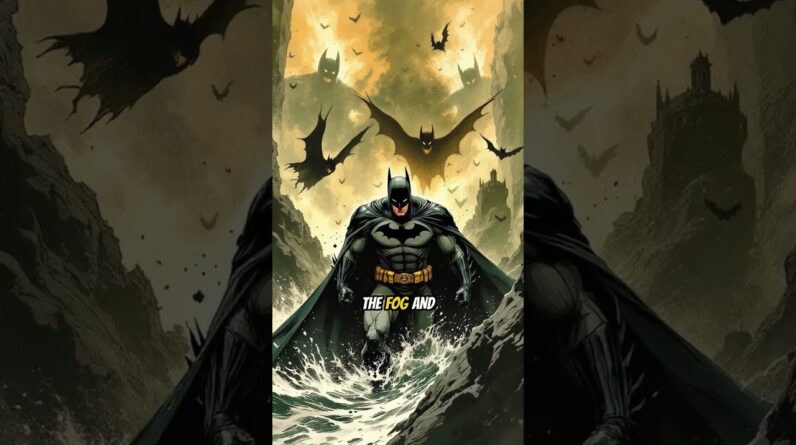
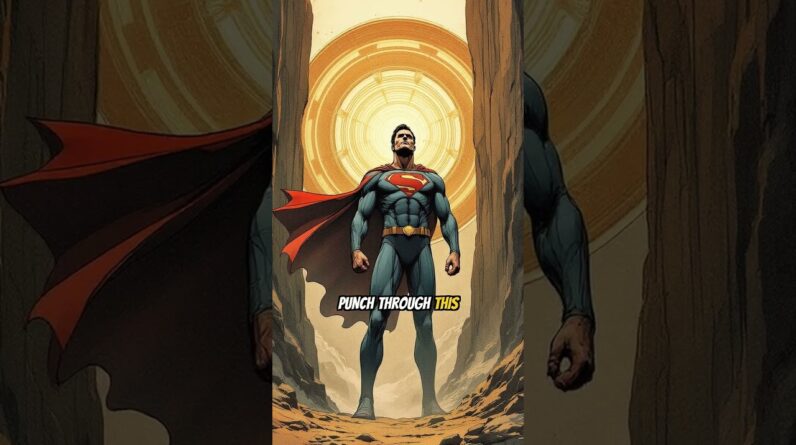
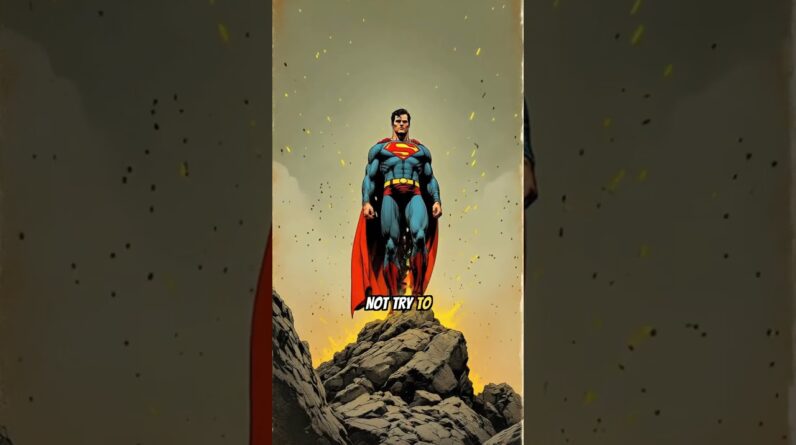
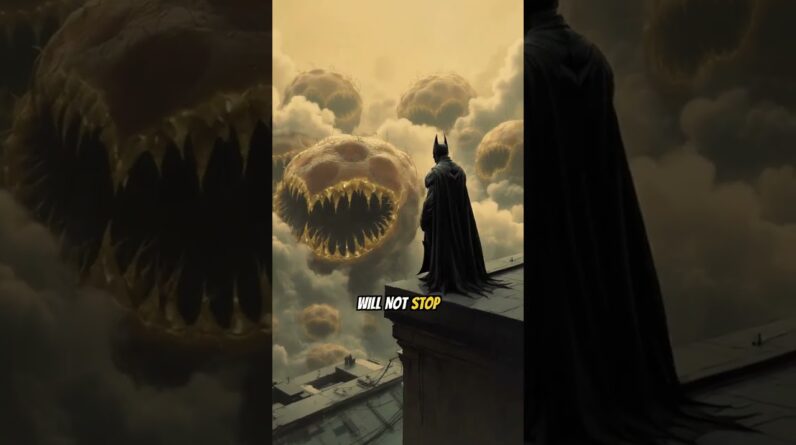
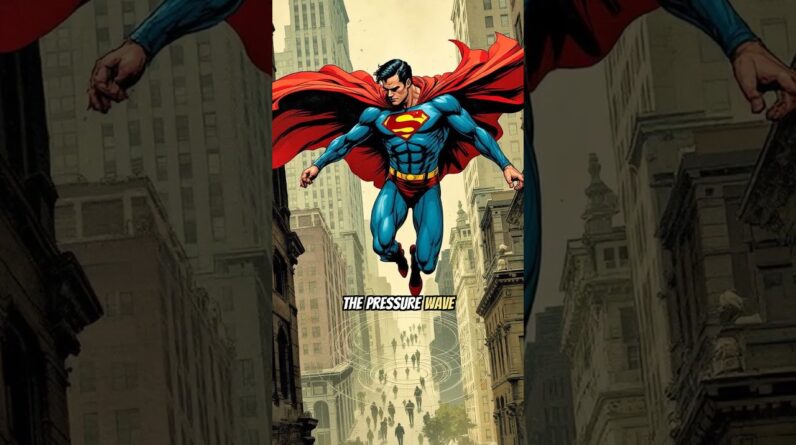
The eternal battle between Superman and Darkseid is a war of ideals—hope against tyranny. Superman embodies justice, facing Darkseid’s ruthless quest for control. Witness their legendary clashes, where the Man of Steel’s indomitable will prevails. #Superman #Darkseid #DCEU #ComicBookLore #HeroVsVillain
Superman vs. Darkseid: Hope vs. Tyranny Explained #shorts
Key Themes: Hope and Tyranny
- Hope as a living, breathing force that mobilizes individuals and communities to stand up for justice, even when the odds are overwhelming.
- Tyranny as a system of control that seeks to erase choice, silence dissent, and crush the human (or sentient) will under an unyielding order.
- The clash between a symbol of inspiration (Superman) and a cosmic tyrant (Darkseid) creates a narrative through-line about agency, responsibility, and destiny.
- How mythic archetypes translate to modern storytelling: heroism, power, ethics, and the cost of resistance.
Superman: The Embodiment of Hope
Core Ideals
Superman stands as a beacon of hope in the DC Universe. His Kryptonian heritage gives him vast power, but his true strength comes from a relentless commitment to protect life, uphold justice, and defend the vulnerable. In many stories, his address to the world is less about dominance and more about permission—permission to dream, to rise after a fall, and to believe that good can prevail without surrendering free will.
Power, Responsibility, and Restraint
The iconic line about power and responsibility is more than a catchphrase; it’s a guiding principle that informs how Superman engages with threats like Darkseid. He matches magnitude with restraint, choosing to save lives, protect the vulnerable, and set an example that might be overwhelming but never totalitarian. This balance is essential when facing a foe who wants to rewrite reality itself through domination.
Hope as a Catalyst for Collective Action
Hope isn’t passive in Superman stories. It’s contagious—sparking teamwork, inspiring other heroes, and mobilizing ordinary people to stand up for their rights. In the face of Darkseid’s anti-life ambitions, hope becomes a practical instrument: it fuels resistance movements, legitimizes dissent, and frames a broader moral argument about autonomy and dignity.
Darkseid: The Tyranny of the Anti-Life Equation
Power and Control
Darkseid is a cosmic tyrant who seeks to impose order by erasing choice. His drive to obtain the Anti-Life Equation reflects a hunger for absolute control—the idea that sentient beings should be stripped of free will so that tyranny becomes inevitable, inevitable and permanent. This makes Darkseid not just a force of destruction but a philosophical antagonist who challenges the very concept of agency.
Omega Beams and Strategic Domination
Powered by the Omega Effect, Darkseid wields some of the most formidable cosmic abilities in the DC Universe. However, his most potent weapon isn’t a beam or a blade alone; it is his strategic mind—an invasionist, a tactician who builds empires and uses fear as a coordinating force to subdue resistance. The combination of power and planning makes him a weighty opponent who tests villains and heroes alike on ethical grounds.
Anti-Life Equation as a Moral Compass Konflikt
The Anti-Life Equation represents the ultimate philosophical threat: the elimination of free will. In stories where this concept appears, heroes must confront not just a physical threat but a moral quandary—whether it’s acceptable to bend or break the will of others for “the greater good.” Darkseid forces a decision about what freedom costs when faced with a transition from resistance to compliance under coercive power.
The Clash Across Media: Comics, Animation, and Film
Comics: The Evergreen Battlefield
In the comics, Superman and Darkseid collide across decades of storylines that test how (or if) hope can outlast tyranny. Writers explore moral dilemmas, team dynamics, and the consequences of unchecked power. The narrative arc often centers on a line: Will Superman uphold the sanctity of life even when the entire universe seems to demand obedience? The answer shapes how readers perceive courage, resilience, and leadership.
Animation: Mythic Resonance and Accessibility
Animated series and films distill the essence of this struggle into accessible, emotionally resonant episodes. Darkseid’s presence in animation frequently emphasizes his role as an overwhelming force, while Superman embodies perseverance and moral clarity. This pairing translates complex themes into vivid imagery—Omega Beams clashing with heat vision, planet-wide stakes, and high-stakes rescues—that resonate with audiences of all ages.
Live-Action and Cinematic Interpretation
In live-action interpretations, the Superman vs. Darkseid dynamic is often framed through the lens of real-world concerns: power, governance, and the ethics of resistance. The live-action lens can intensify the sense of immediacy—how communities respond when a tyrant tests the limits of freedom in a tangible, cinematic landscape. These adaptations also invite new audiences to grapple with the same timeless questions: What does it mean to stand up for hope in the face of overwhelming control?
Philosophical Lens: Free Will vs. Determinism
Freedom as a Moral Ground
The central philosophical tension in Superman vs. Darkseid is freedom. Hope asserts the validity of individual choices and the collective right to decide one’s path. Tyranny asserts the opposite: that control should be centralized, that sacrifice of liberty is justified for perceived “order.” These opposing viewpoints aren’t just plot devices; they mirror debates about governance, technology, and social change in the real world.
Determinism, Agency, and Consequence
Readers and viewers are invited to weigh determinism against agency. In many stories, even a seemingly invincible foe like Darkseid cannot erase the agency of a determined hero or a united group of allies. The outcome depends on choices—small and large—that reflect values, ethics, and the willingness to risk oneself for others. This is where hope becomes practical: it isn’t a dream; it’s a method of organizing resistance and coordinating action.
Practical Insights: Lessons for Writers and Fans
- Character through Ideology: Build a narrative where the hero’s philosophy is tested under pressure. Let Superman’s hope-driven decisions reveal ethical boundaries and consequences.
- Consequences of Power: Show how immense power requires restraint. Darkseid embodies the risk of power without compassion; explore how that can destabilize entire worlds.
- Symbolism in Visuals: Use color, scale, and atmosphere to convey hope versus domination (bright, open spaces for hope; dark, oppressive environments for tyranny).
- Audience Engagement: Raise questions rather than dictate answers. Invite fans to debate what freedom means in a world under threat.
- Story Arcs that Resonate Today: Tie the conflict to contemporary themes like autonomy, surveillance, and the ethics of leadership.
Case Studies and First-Hand Experiences
- Case Study: The Power of a Symbol In many storylines, Superman’s emblem becomes a rallying point for diverse communities. The symbol of hope can mobilize disparate factions to unite against tyranny, illustrating how storytelling can inspire real-world civic engagement.
- Case Study: Tyranny in the Age of Information Darkseid’s pursuit of total control mirrors modern fears about data, surveillance, and the manipulation of truth. Writers leverage this parallel to discuss consent, privacy, and the price of security.
- First-Hand Experience: Fan Theories as Narrative Lamps Fans often craft theories about how a public figure like Superman would respond to a hidden threat—an exercise that deepens engagement and expands the universe beyond canonical events.
Benefits and Practical Tips
- For Writers: Use the Hope vs. Tyranny framework to structure arcs with rising stakes, escalating moral questions, and a clear moral compass for the hero.
- For Creators: Balance spectacle with ethics. Large-scale battles should illuminate character growth, not overshadow it.
- For Fans: Explore different media interpretations to understand how tone changes affect message—comics emphasize mythic scales; animation often foregrounds character ideals; live-action foregrounds practical consequences.
- SEO and Content Strategy: Use keywords such as “Superman vs. Darkseid,” “hope vs tyranny,” “Anti-Life Equation,” “Omega Beams,” and “DC Universe” to attract readers across comic fans, scholars, and casual viewers. Alternate between long-tail phrases and core keywords to maintain readability and search engine visibility.
Power and Ideology in Quick Reference
| Aspect | Superman | Darkseid |
|---|---|---|
| Purpose | Protect life, inspire hope, defend freedom | Conquer, impose order, enslave will |
| Power Source | Kryptonian physiology + solar energy | Omega Effect, cosmic tech, immense might |
| Conflict Style | Defensive, rescues, moral leadership | Strategic invasion, coercion, fear |
| Moral Stance | Free will, dignity, life preservation | Anti-life, control, obedience |
| Key Theme | Hope wins through resilience | Power tempts control; choice matters |
Media Portrayals Snapshot
| Media | Portrayal | Notable Moment |
|---|---|---|
| Comics | Deep mythic battle between hope and tyranny | Introduction of Anti-Life Equation themes and Omega Beams symbolism |
| Animated Series | Accessible, character-driven exploration | Darkseid’s invasion arc versus Superman’s leadership under pressure |
| Live-Action Films | Scaled conflict with real-world implications | Teasing Darkseid’s presence and the ethical costs of resistance |