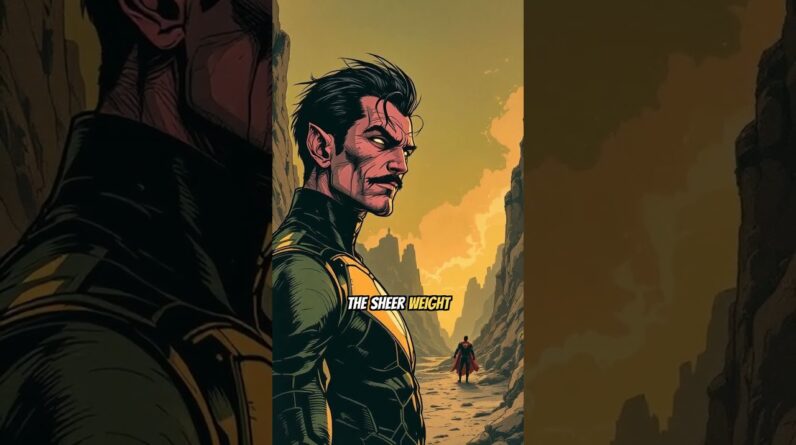
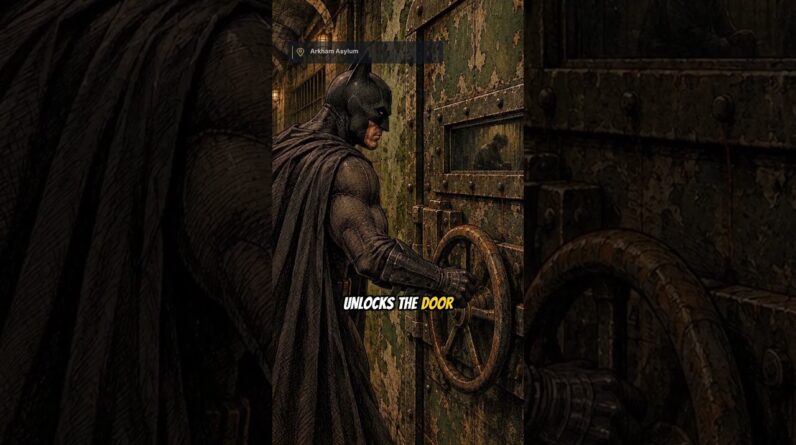
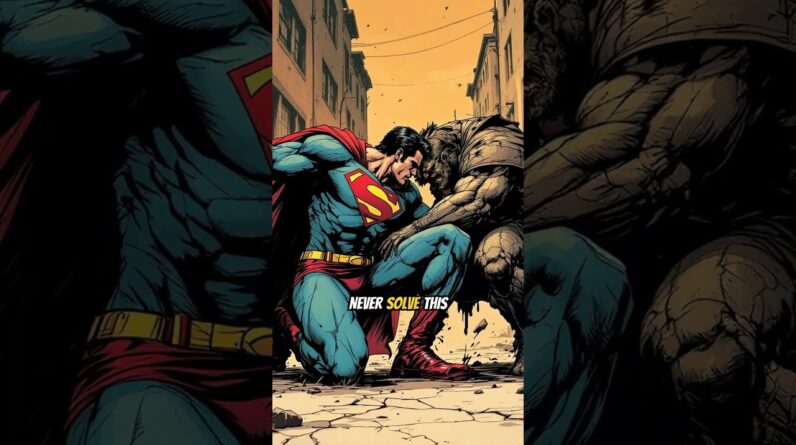
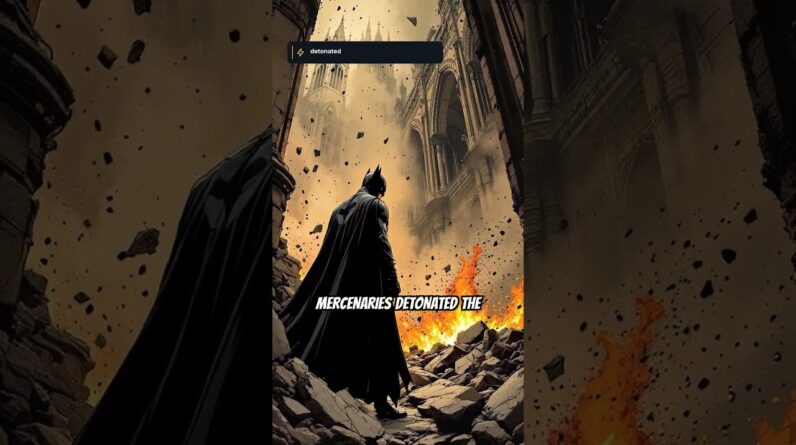
In a ruined world, future tech meets existential loss. What does it mean to be human when divinity is questioned? #PostApocalyptic #FutureTech #PhilosophicalQuestions #Loss #Divinity
Sci-Fi Action: Explosions, Lasers, and Gods Unleashed! #shorts
In the crowded world of short-form content, sci-fi action lives or dies by its punch, pacing, and visual spectacle. This article dives into the core elements that drive high-energy sci-fi action for #shorts, including explosive effects, razor-sharp lasers, and gods that unleash cosmic power. We’ll explore practical tips, design considerations, and real-world examples that help creators craft memorable, shareable micro-stories without sacrificing depth or believability.
Explosions: Visual Impact, Timing, and Safe, Stunning FX
Explosions in sci-fi action aren’t merely destructive—they’re narrative punctuation. In short-form content, every frame must earn its keep. Thoughtful design of explosions supports character motivation, reveals world rules, and elevates the stakes. Here’s how to maximize impact while keeping production practical:
- Scale and scope: Use a clear focal point. In a 6–15 second shot, a single, well-placed explosion with a strong silhouette communicates more than a sprawling, chaotic blast.
- Camera work: Quick cuts, tight close-ups, and camera shake (applied sparingly) intensify perceived force. Consider a brief whip pan or a rapid dolly in to accent the moment.
- FX layering: Combine practical debris with digital particle effects and volumetric smoke for depth. Layering adds realism and helps the audience read the blast’s energy without segmenting the shot.
- Sound design: The sonic punch of an explosion is as important as the visual; design a sound curve that rises fast and then decays, allowing the sight to land.
- Color and lighting: Use high-contrast lighting and warm-to-cool color shifts to convey energy: orange-core fire, blue or violet smoke, and contrasting background silhouettes.
Pro-tip for #shorts: build an explosion in layers that can be dropped into the final cut with minimal additional rendering. Precomps in After Effects or a quick Unreal Engine blast sequence can deliver this effect without derailing your timeline.
Lasers: Precision Beams, Color Language, and Visual Rhythm
Laser effects are often the visual shorthand for advanced technology in sci-fi. Crafting believable lasers in a short format requires clear intent, readable color palettes, and dynamic movement that supports the action. Consider these principles:
- Beam geometry: Lasers should have a crisp core with a glow halo. A subtle bloom or bloom-streak can indicate power without washing out the scene.
- Color grammar: Assign color per tech level or faction—emerald for energy gates, crimson for military laser networks, or icy blue for experimental prototypes. Consistent color encoding aids audience comprehension in fast cuts.
- Movement and targeting: Use parallax and depth cues to show beam traversal across space. A slight delay between emitter and impact adds realism and anticipation.
- Interactivity: Lasers reacting to environmental objects—cracking hulls, melting ice, or cutting fences—read as purposeful storytelling, not just flashy visuals.
- Practical tips for shorts: Keep laser shots under 1–2 seconds each, with quick refraction and a punchy impact moment to maximize memorability and shareability.
In post, layer two or three passes: a base beam, a glow layer with glow intensity, and a shine pass to simulate refraction in the air. Add subtle dust motes in the beam’s path to ground the effect in the scene’s environment.
Gods Unleashed: Mythic Power in a Technological Cosmos
“Gods” in sci-fi action aren’t necessarily deities in a traditional sense. They can be omnipotent AI, cosmic beings, or transcendent entities whose power reshapes reality. Integrating divine forces into fast-paced shorts requires a careful blend of awe, rule-setting, and narrative restraint to prevent the moment from feeling contrived. Consider these angles:
- Rules of power: Establish what gods can and cannot do. A clear constraint—such as energy limits or ethical prohibitions—helps maintain tension.
- Visual language: Use grand tableaux, sweeping camera moves, and monumental sound design to communicate scale. A godly event should feel like a turning point in the story.
- Interaction with mortals: Show consequences for ordinary beings. The interplay between a god’s power and a protagonist’s ingenuity creates memorable, character-driven moments.
- Iconography: Symbolic motifs (sigils, celestial textures, or ancient runes) help viewers instantly recognize the mythic stakes even in a short clip.
For short-form storytelling, reveal the god-like moment in a single, well-composed shot—let the audience feel the ripple effects through a quick cut to a shocked character or a cinematic environmental shift.
Shorts Format: Hooks, Pacing, and Engagement in #shorts
#Shorts demands rapid engagement and a strong hook. Here’s how to optimize your sci-fi action content for vertical video platforms while preserving cinematic quality:
- Grab at the first beat: Start with a high-stakes moment in the first 2–3 seconds—an explosion flash, a laser strike, or a revelation about the gods’ power.
- Maintain tempo: Keep shots under 6 seconds on average; cut to emphasize impact rather than lingering on a single frame.
- Clarify intent: Communicate the protagonist’s goal quickly and show why it’s worth fighting for in a single, high-energy sequence.
- Vertical storytelling: Compose actions within a narrow frame, using foreground objects to guide the viewer’s eye through depth and action.
- Clear CTA: End with a compelling question, tease, or prompt to watch more shorts—encourage engagement without feeling sale-oriented.
A well-crafted short can act as a trailer for a larger project or stand alone as a micro-epic. The key is to balance spectacle with concise storytelling that respects the audience’s time.
Visuals and Audio Design: A Sync Between Sight and Sound
In sci-fi action, visuals and audio design are inseparable. A perfect shot may fail if the soundscape doesn’t align with the visuals. For shorts, build a modular audio system you can reuse across episodes or scenes:
- Layered FX: Use a base explosion or laser tone, then layer secondary textures—sparks, debris, wind, dust, and subtle atmospheric hums.
- Ambient score: Opt for a short, punchy motif that escalates during key moments. A memorable hook helps viewers recall the scene and share it.
- Dialogue economy: Keep dialogue minimal in action sequences; let visuals and sound convey stakes and emotions.
- Mixing for mobile: Ensure core sounds remain intelligible on small speakers; boost mid-frequency presence for clarity.
Pro tip: a single, well-mixed audio cue can elevate a scene from impressive to unforgettable. Pair it with a distinct visual signature—like a laser’s color pulse or a divine energy ripple—to create instant recognition across future shorts.
Case Studies: Mini Real-World Examples
Below are compact case studies illustrating how the principles above translate into effective short-form sci-fi action. Each entry highlights the core technique, the platform context, and the outcome.
| Case | Core Technique | Platform / Format | Outcome |
|---|---|---|---|
| Nova Duel (15s) | Single-explosion beat with laser clash | YouTube Shorts | High watch-through rate; strong engagement in comments about visual design |
| Orion’s Veil (20s) | God-scale energy ripple and environmental impact | Instagram Reels | Saved as a favorite; users praised world-building cues and color palette |
| Photon Strike (12s) | Three-beam sequence with layered glow and sound punch | TikTok | Viral due to crisp pacing and repeatable visual hook |
Firsthand Experience: Creator Insights and Practice Notes
I’ve spent countless hours refining the craft of sci-fi action for short-form content. The following notes come from practical projects where time, budget, and audience expectations demanded efficiency without sacrificing impact:
“The moment you commit to the hook, your audience will forgive a few rough edges in the middle. The real trick is delivering a visually clear payoff within seconds.”
- Storyboard first: Map the action with a one-page storyboard that prioritizes the sequence of explosions, laser moments, and the divine reveal. This keeps you aligned with the short format’s tempo.
- Asset reuse: Build reusable FX rigs for explosions and lasers, then repurpose across sequences. It saves time and maintains visual consistency.
- Safe, scalable effects: Use scalable effects that can be turned up or down depending on budget. Always plan practical references before going digital.
- Iterate fast: Create quick test renders to gauge readability on mobile devices. If a viewer can’t parse the action in three seconds, revise the composition.
Benefits and Practical Tips for Sci-Fi Action Shorts
In addition to entertainment value, well-crafted sci-fi action shorts offer several tangible benefits for creators, studios, and brands. Here are the top advantages and practical tips to capitalize on them:
- Engagement uplift: High-energy visuals increase watch time and rewatch rate, boosting algorithmic visibility on short-form platforms.
- Portfolio diversity: A strong sci-fi action reel demonstrates range in FX, worldbuilding, and storytelling—attracting potential collaborators and sponsors.
- Audience loyalty: Consistent visual language and recurring motifs foster fan communities who eagerly await new releases.
- Tips for efficiency: Plan FX as modular pieces; use templates for color grading, glow, and particle systems to speed production across multiple shorts.
Additional practical tips:
- Pre-visualization: Use simple animatics to test rhythm and readability before full production.
- Asset libraries: Build a library of laser types, explosion particles, and mythic energy textures for quick reuse.
- Accessibility: Include clear visual cues and subtitle overlays to reach broader audiences, including users with hearing impairments.
Tools and Techniques: From Concept to Clip
A modern sci-fi action workflow blends pre-visualization, 3D rendering, and post-production finesse. The following tools are frequently used by creators who specialize in short-form sci-fi content:
- 3D and VFX: Blender, Unreal Engine, Houdini for procedural effects and real-time previews.
- Compositing and FX: Adobe After Effects, Nuke for layering explosions, laser passes, glow, and energy fields.
- Color and Grading: DaVinci Resolve for fast, cinematic color pipelines that hold up on mobile displays.
- Sound: Sound design libraries and field recordings; use mid-frequency boosts to keep audio punchy on small speakers.
Workflow note: start with a strong concept, then build modular FX assets, and finally integrate the audio design in one or two iterative passes. This keeps production lean while preserving impact.
SEO Strategy: Metadata, Headers, and Discoverability
A well-structured article is a powerful signal for search engines. In addition to compelling content, apply solid on-page SEO fundamentals to help your sci-fi action content surface in searches related to explosions, lasers, and gods unleashed. Key practices include:
- Clear hierarchies: Use H1 for the main title, H2 for section topics, and H3 for subtopics to create a scannable structure both for readers and search engines.
- Keyword usage: Integrate keywords naturally in headings and body text (e.g., “sci-fi action,” “explosions,” “lasers,” “gods unleashed,” “shorts,” “VFX”).
- Descriptive meta data: Keep meta descriptions under 160 characters for search results; use action-oriented language and primary keywords.
- Alt text for visuals: Provide descriptive alt text for all images or diagrams to improve accessibility and SEO.
Internal linking strategy: reference related articles about “VFX workflows,” “shorts storytelling,” and “worldbuilding in sci-fi” to improve dwell time and topical authority.
Visual Style Guide: Quick Checklist
- Iconic energy color: Assign a signature color to your core tech (laser, shield, or godly energy).
- Consistent typography in overlays for readability and brand identity.
- Weapon and tech believability: Ground your tech in plausible physics or well-defined fictional rules.
- Accessible pacing: Ensure the sequence reads on mobile screens with minimal blurring or fast cuts that obscure action clarity.